You don’t expect a tour to begin with a safety demonstration explaining what to do if you are attacked with teargas, or how to avoid being shot by rubber bullets. But then, there is no place in the world quite like Palestine.
The week I have spent in the West Bank has been the most heart-wrenching of my life, learning about the human suffering behind the slogans and the reality of life under a 70-year occupation.
I’ve stayed in Ramallah and used it as a base to travel through the rest of the country. One thing you don’t realise is how small the West Bank actually is, making it easy to travel and horrendous for so many people to live here.
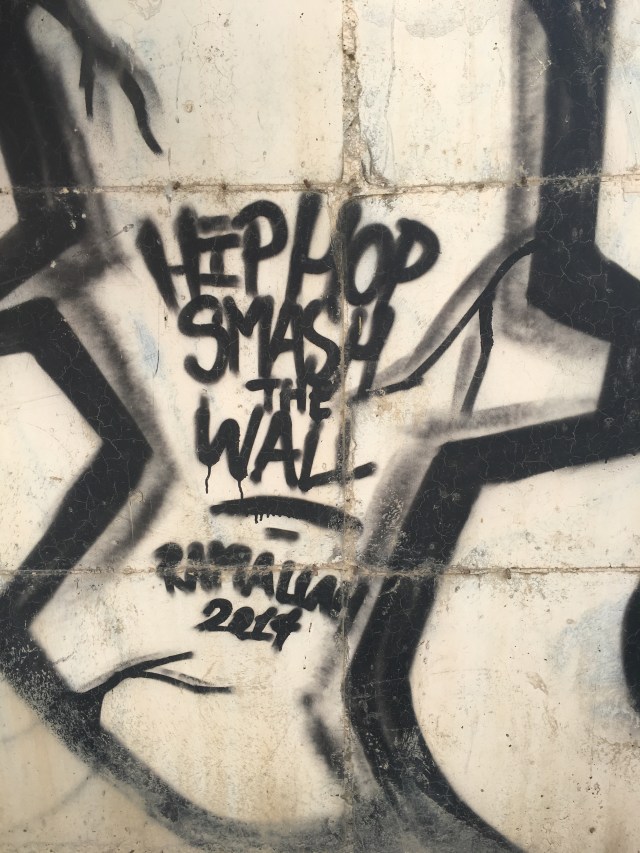 There are other cities which are true microcosms for the entire conflict but Ramallah perfectly demonstrated the stark contrast between normal day-to-day life and the pressures of occupation.
The first thing you notice is how liberal the city is. Even now during Ramadan it’s more common to see a young woman without a headscarf than wearing one and there are bars and clubs aplenty. It is not what your first image of Palestine would be.
You stroll around at midnight and see hairdressers jam packed with patrons drinking tea, smoking shisha pipes and putting the world to rights. Then turn a corner and you see Israeli settlements patrolled by soldiers and you remember that this is no normal city.
The most portentous moment for me was definitely visiting Bethlehem. A place of pilgrimage of millions of Christians every year, you would expect it to be a spiritual and even serene place. And yet, a few kilometres from the nativity church where Jesus was born is a massive concrete wall topped with barbed wire.
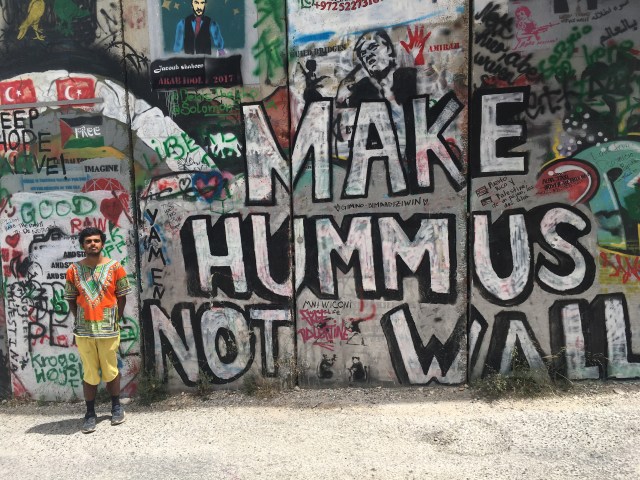 Rather than being a place to bring people together, it is where blockades have been created to imprison the local population. Ironically there is nowhere more than Bethlehem where you see religions unique capacity to tear people apart.
The effect of the occupation is completely ubiquitous for the Palestinians. Their travel is severely restricted, the goods and aid is severely restricted by the Israelis and there are chronic water and food shortages. I always thought it was hyperbole to refer to these areas as open air prisons but you start to understand exactly why it is defined in this way and of course Gaza is in an even worse situation.
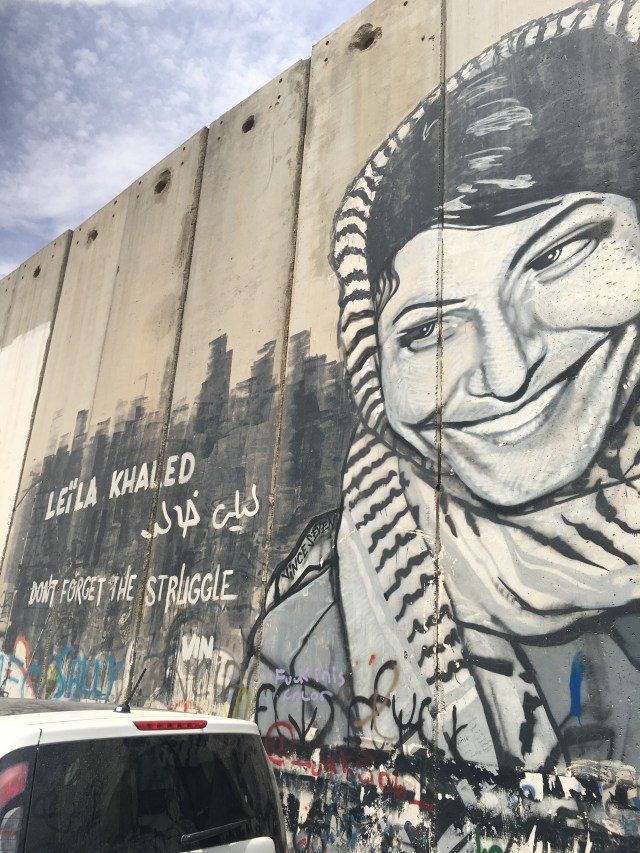 The wall has resulted in more land being claimed by Israel and it is no coincidence that it was much of the most fertile agricultural land that was claimed as well as 80% of the water supply. It’s important to note that there are parts of the wall that are just a fence which reminds you that it is really about land and not security.
And then there are the settlements.
If you believe that there is hope in the region and Israel truly wants peace and security then you only have to look at the litany of cranes around Palestine building ever more settlements to rid you of that notion.
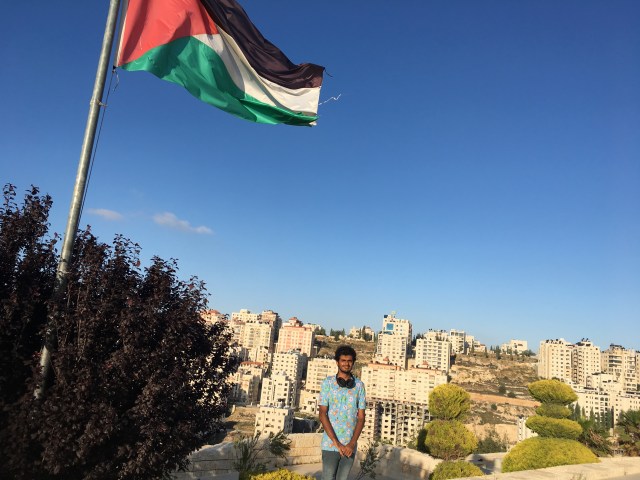 Under the Oslo agreement these areas are recognised as being the land that will eventually form a recognised Palestinian state and yet new settlements are being built every day with 500,000 settlers now living in Palestine.
It’s hard to over-estimate the impact of this. Palestinians are living in constant fear of getting a demolition notice and being displaced. They cannot obtain permission to build homes and their farmland is subject to regular raids by the Israeli army, strangling any economic growth.
The ever expanding settlements are illegal under international law and yet they continue unabated and almost every Palestinian villager I met near the wall believes this is an organised campaign to rid the lands of Palestinians altogether. It’s something Israel would vehemently deny but is a prevailing perception here.
The result of the mass displacements of the Palestinians is refugee camps where hundreds of thousands of people are trapped in tiny camps with limited access to water, power and food. Schools are typically provided by the UN up to primary school level and after which they are generally on their own.
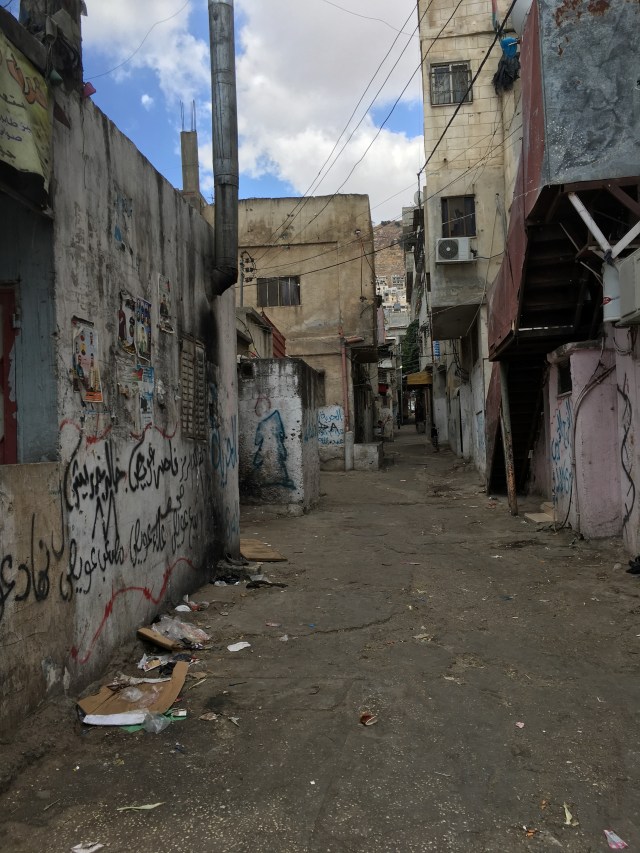 You see children kicking a football around with Messi shirts on and for a moment you could be anywhere in the world. But then you look at the UN relief trucks, queues for water and abject poverty and your heart just breaks at the condition that these people have to live in.
Israel is often praised as the only democracy in the world and yet as you cross into East Jerusalem (which the Palestinians would regard as illegally occupied Palestinian land and the Israelis regard as part of their country) you cross an invisible line with dilapidated transport and housing and a reduction in quality in education and healthcare. It’s a difference in public spending allegedly based on the ethnic make-up of the area which leads some to call Israel an apartheid state.
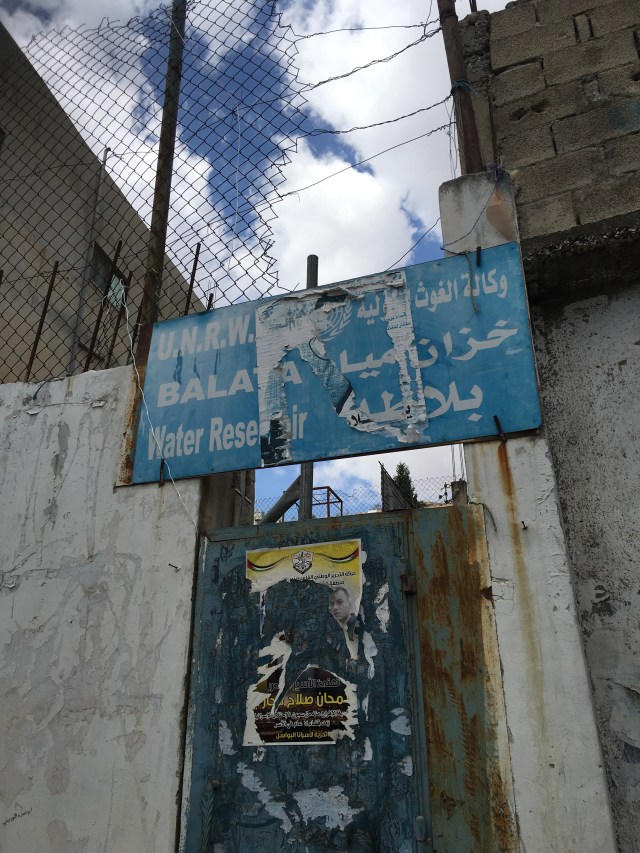 Palestinians often tell me that Israeli Arabs are routinely denied permits to build meaning they cannot improve their housing and any property they build without permits are routinely demolished. They would say that they are not equal citizens whatever the Israeli constitution may say and many who go to visit family in the West Bank are not allowed to return.
Interestingly, I saw as much anger towards the leaders of the Palestinian Authority as the Israeli Government. Many Palestinians believe their leaders are completely failing them, both to assist their resistance and also due to significant undemocratic practices that makes many of them scared to speak out for fear of retribution.
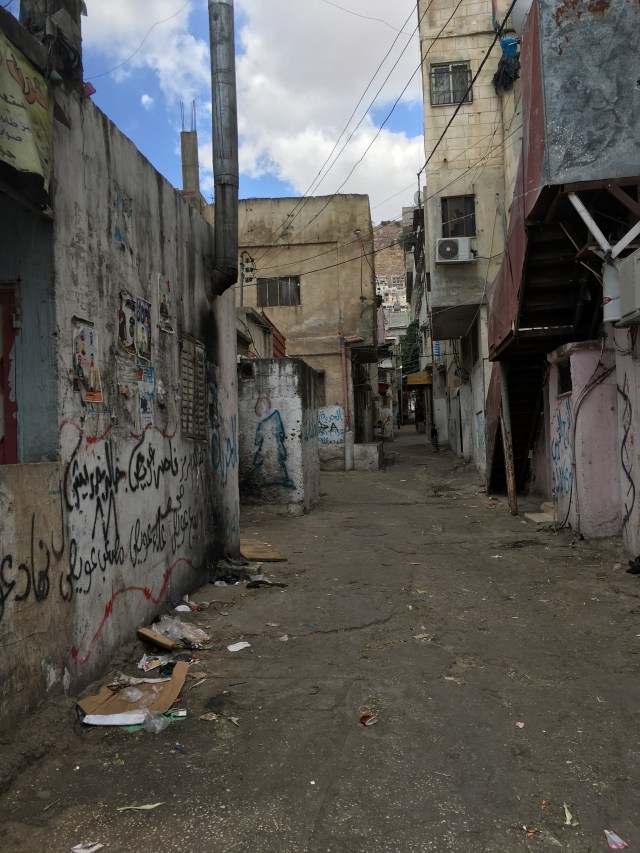 There is another side to Palestine too. There is the beautiful scenery, stunning mountains and incredibly hospitable people that should make this gorgeous land a beacon for tourism. But of course it isn’t.
Everyone will have their own views of this conflict and there are terrible tales of woe on the Israeli side too and yet you would have to be utterly inhumane to look at this level of human suffering and be heartbroken at the way these people are being treated.
Palestine is a beautiful, friendly, fascinating and tragic place that leaves an indelible mark on your soul. It’s been a week I will never forget.
 YoYo in Colour