I’ve had the most agonising fortnight of my life living and working in an orphanage in a rural area of Northern Zimbabwe that in all honesty I am struggling to put into words.
There are 13 children ranging from 2 years old to 16. Most have lost their parents to AIDS but some have just been abandoned by their parents as the crippling poverty of Zimbabwe following years of economic collapse leads the destitute to make desperate choices.
I was there to help teach some of the kids some basic maths and English but I didn’t realise the unique challenges that these kids faced.
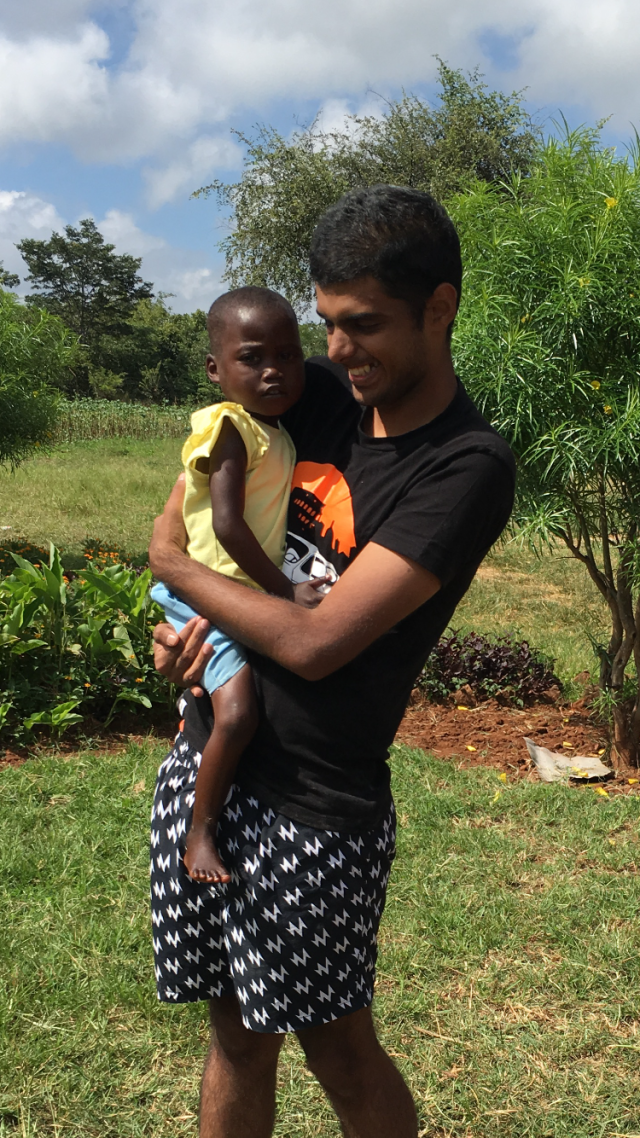 The Mount Darwin area of Zimbabwe is a rural sparsely populated area and the nearest school is 11km away and heavily over-subscribed. With no methods of transport children walk hours to get to school when there are spaces but a combination of logistic problems and few free spaces available they only attend school a few days a month.
Their age group is no indicator of their level educationally and some of the older kids have never had any formal education. Attempting to bridge this gap and teach some basic lessons at a level all children can get something out of with no books or facilities was nigh on impossible.
With no structure in place going forward I was painfully aware that teaching would fall by the wayside after I left. I attempted to create a progress chart detailing what level in Maths and English each child was at and what topics still needed covered but the obstacles to learning are so large and with nobody at the orphanage with the ability to take this on I strongly suspect my long-term impact on the children was negligible.
In previous projects I have worked with the wide-eyed wonder of children when they get the opportunity to meet new people is always my lasting memory yet here was completely different.
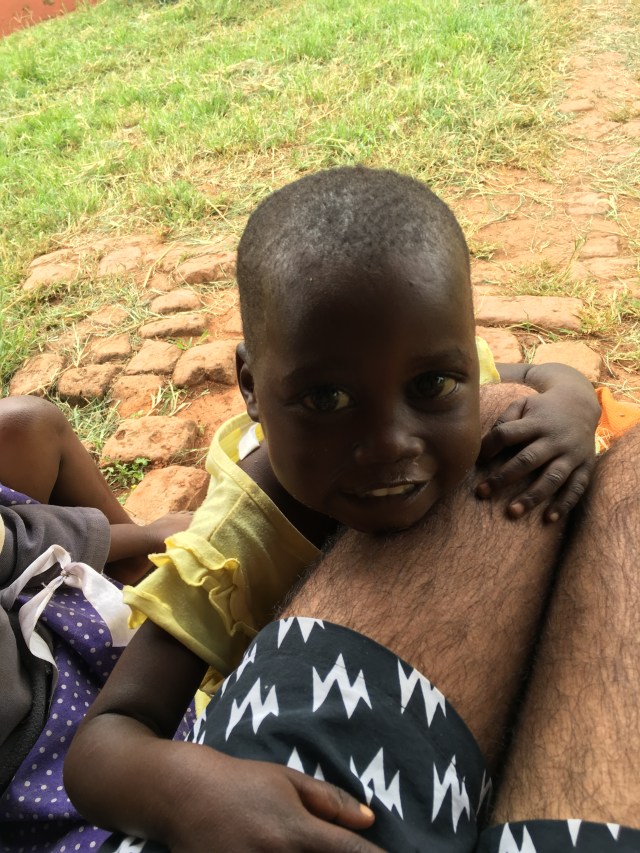 Most children kept a distance when I arrived and even after prompting did not want to engage. At first I put this down to a language barrier but it was explained to me that most of the girls here have been victims of abuse either from parents or relative after their parents passed away and as such have an inbuilt resistance to new people and have significant trust issues.
It is not just the pain of the abuse they have suffered; they have had their innocence and childhood stolen from them.
There were a pair of 2-year old twins who had been at the orphanage ever since their mother died in childbirth and already you could witness their loss of childhood.
They were remarkably independent collecting and eating their own food, giving back their dishes and trying to assist with chores.
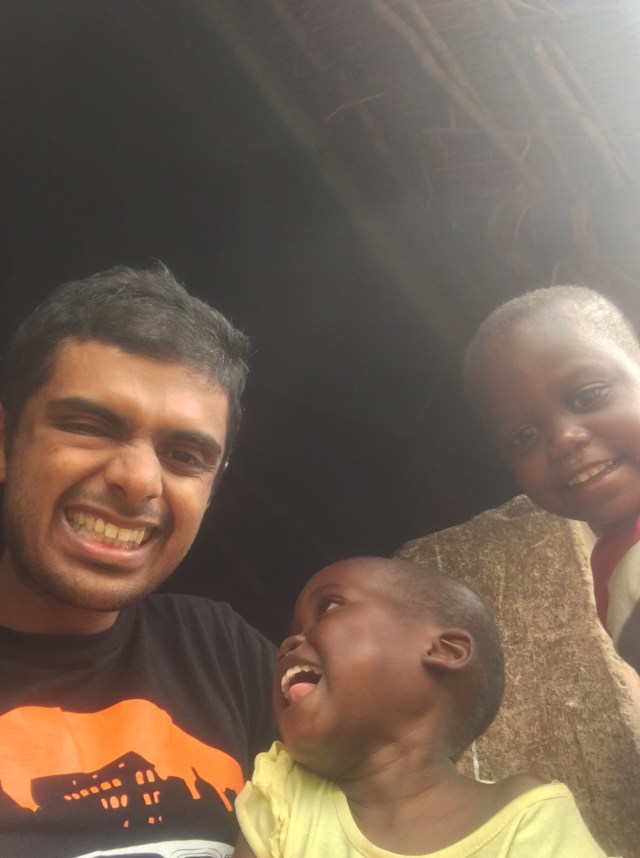 I vividly remember my panic as one of them approached the open fire and I darted across yard to try and stop them before it was explained to me they were simply roasting some corn and knew what they were doing!
When spending time with these adorable twins I couldn’t help compare them to my own nephew who is only a few months younger. Thankfully he has had no such hardship in his life and there is a stark contrast between his naivety and innocence and the world weariness of the girls.
Even at such a young age their upbringings have already had such an impact on their mentality and it is heart breaking to watch.
There is no government support and all the kids spend almost all day doing chores to maintain the upkeep of the house. From cleaning to cooking to washing clothes there is always work to be done and it means they have little time to play or enjoy being children.
I have spent time in orphanages before but actually staying in one for a period of time brings home how dire a situation it is for the kids.
The tiny bedrooms are crammed with bunk beds and despite everyone’s best efforts the place remains crawling with insects. The toilets have no flush mechanism and so they pour a bucket of water over to remove their waste.
There is no running hot water and given the time that it takes to heat water over the fire children generally just pour cold water from a bucket in order to bathe themselves. With an intermittent electricity supply all cooking is done over a fire place meaning cooking often takes all day.
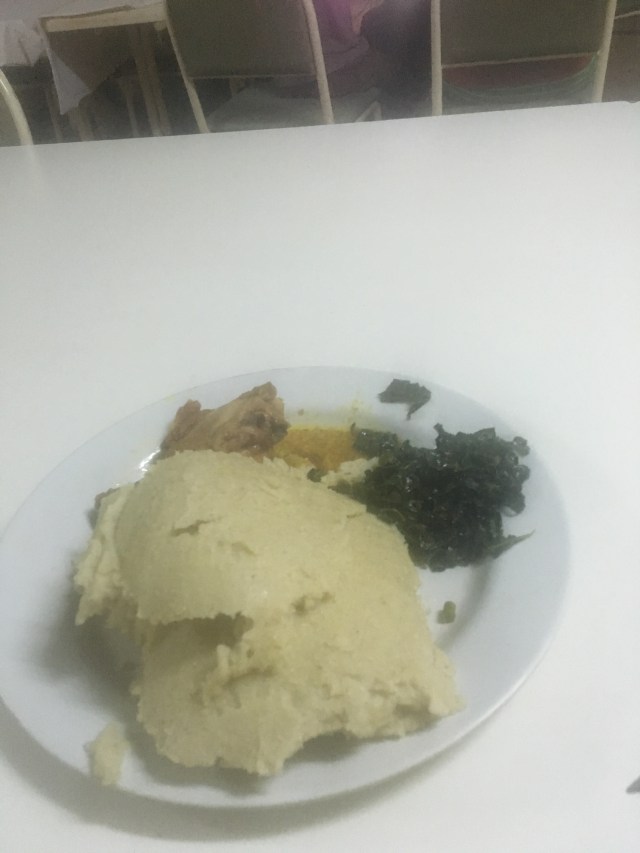
Meat for this number of people is an expense they cannot afford so the children are filled up with sadsa – a maize porridge. I first came across this in South Africa (referred to as pap) and whilst is lacks in flavour they grow maize and have a grinder so can make whilst incurring little expense.
 It can be tempting to reflect on the sense of perspective living in such a rudimentary style gives you but I think romanticising such conditions is self-indulgent. Of course you are reminded that we take so many luxuries for granted and the solidarity the kids show in supporting one another is remarkable yet we shouldn’t kid ourselves; the situation is dire and these poor children have to live it every day of their lives.
There are brief moments when they have the excitability of children. I took a few of the boys to a nearby football field to watch a match and I remember their ear to ear grin when I got them an ice cream. It’s these small moments that remind you how tragic it is that for the rest of the time they have lost that childish glee.
When I spoke to the kids about their ambitions for the future what was so upsetting was the complete lack of hope. I recall in Cape Town hearing the kids hope for the future and wondering if they would be able to overcome all the obstacles in their way to achieve them but here there wasn’t even that hope in the first place.
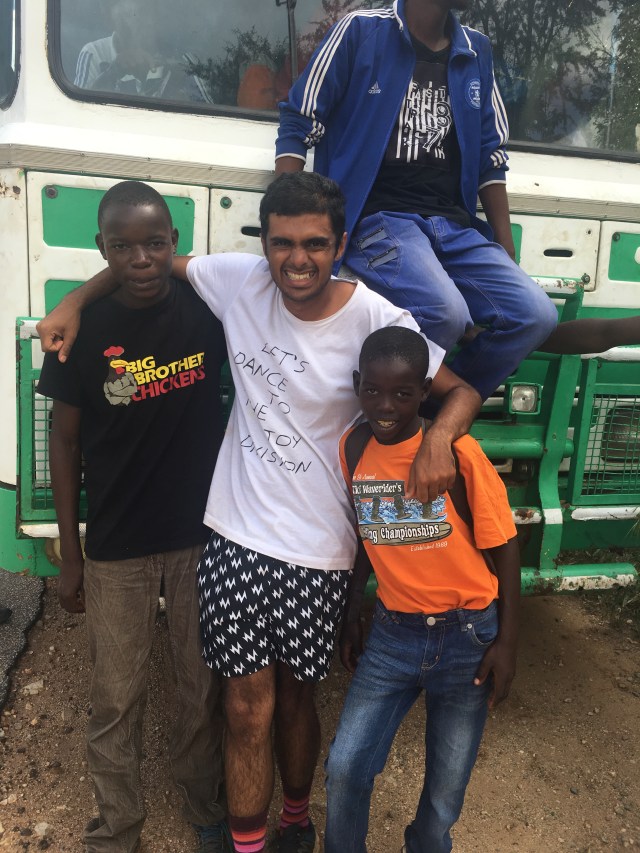 The only vocation available to them is farming and with no hope to be able to cultivate their own land there only hope is as a labourer which is tough manual labour for very little pay. Living on the farm without the resources to travel to family and no option to do anything else it’s effectively modern slavery.
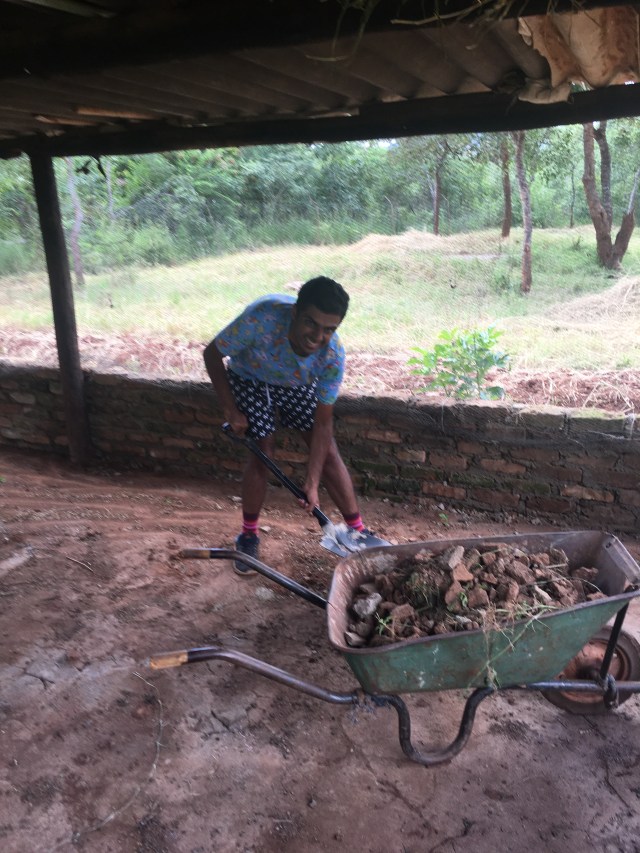
I got involved in building a coop for some chicks that they were buying to generate additional revenue. They buy chicks for a dollar and can sell fully grown chickens for $7 and as long as they continue breeding there should be a steady revenue stream coming into the orphanage.
It made me think about the ‘free range’ movement that so many of us try and follow in the UK. The conditions of these chickens will be anything but free range but when it was literally the difference between these children having clothes on their backs and food in their stomachs, who would argue that it was the wrong thing to do morally?
 None of which is to say that concern for animal rights is a western phenomenon or a luxury that only the well off can afford to consider but it certainly puts a different perspective on things.
The staff are among the most selfless people I have ever come across. They all live on site and devote their entire lives to supporting those who cannot support themselves without a second thought to themselves and could not be further away from the materialistic culture I’ve come from.
I don’t think I have ever had a fortnight more humbling and harrowing. There are no easy answers to any of these problems and as melancholic as my time was I don’t regret spending this time here. Whilst it’s no revelation that some live in wretched conditions and poverty it brings it home to you in a completely different manner when you see it first hand and it is a huge motivator to do something – anything – to try and make this world a fairer place.
 YoYo in Colour
Wow. What a sobering post. Thanks for sharing your experience. We sponsor two children in the Congo, and as much as I want to feel like it’s making a difference, there is so much suffering in the world.. Like you said, it’s the lack of hope that hurts the most. That, and the loss of innocence at those heartbreaking ages.
LikeLike
thank you very much for your comments. I suppose all we can do is our best to try and help but it does feel like rolling a boulder up a mountain.
LikeLiked by 1 person